Yes we can no we didn’t
Those who cannot learn from past failures are condemned to repeat them (apologies to Santayana)

I have been fortunate enough to meet many formidably smart, fully committed, and thoroughly decent people who, for years, have strived to try to avert dangerous climate change.
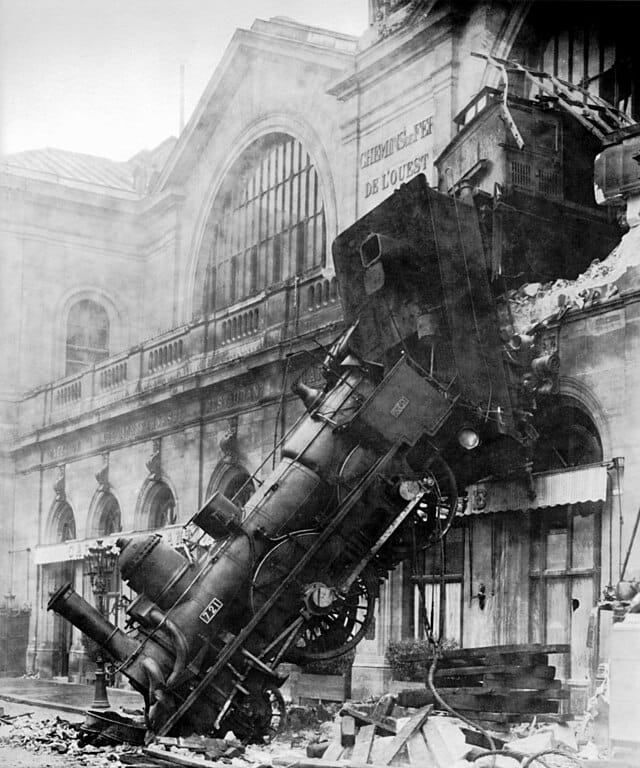
They failed.
Saying that does not lessen my gratitude to them nor detract from their many other achievements and contributions. And it certainly does not make them responsible for what is happening, what is likely to happen. But they failed in their efforts nonetheless and it must be said. Because if we cannot accept that we failed to stop burning fossil fuels in time, failed to stop the annihilation of the natural world, then we will be doomed to continue to fail.
It has finally become acceptable to say that warming is going to exceed 1.5°C, and that the highest ambition of the Paris Agreement will not be met. This is typically termed “overshoot” in that temperatures are going to overshoot 1.5°C. Inspect IPCC reports and you will see figures in which real world temperatures increase, and then – depending on the scenario – continue to rise or decrease, with some finally settling below 1.5°C by the end of the century. This means three things, none of which you will hear being discussed by any government.
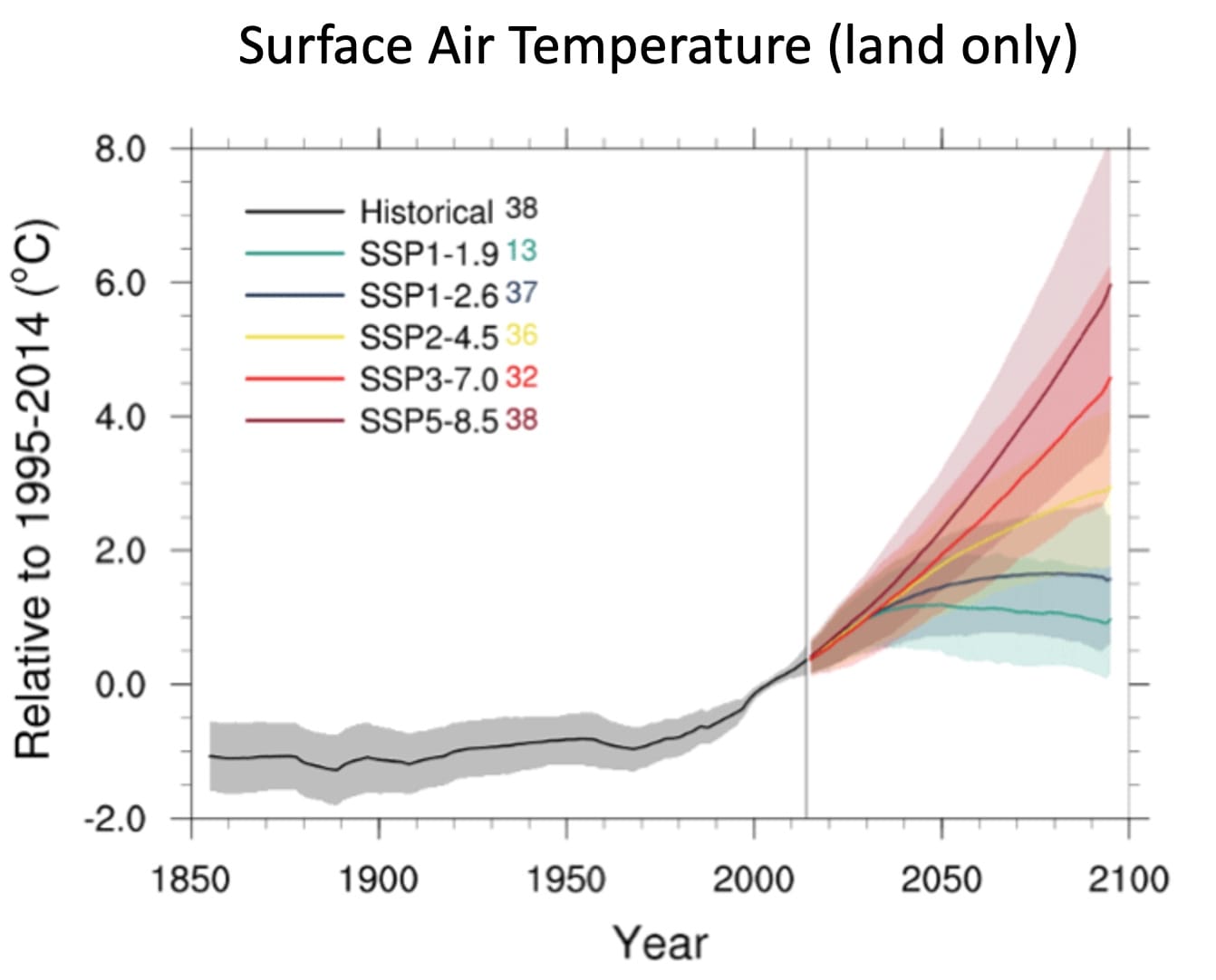
First, net zero by 2050 is becoming increasingly meaningless with regards to avoiding dangerous climate change. If we had started to phase out of fossil fuels a decade ago, then we would have had a chance of limiting total cumulative emissions to that which would keep us under 1.5°C. That plan had emissions halving around 2030 and us reaching the point of net zero by mid-century. In the past I’ve been transparent about what I think of the very idea of net zero. Today, I would summarise much of this by simply saying net zero as a climate policy (not the core science) was a fabrication motivated to get high polluting countries engaged with the Paris Agreement. Ten years later there is now almost zero carbon budget left for 1.5°C. At the same time emissions are at an all-time high and it really does look like the rate of warming has accelerated markedly. Reaching net zero by 2050 now means warming beyond 2°C – in my opinion. Rather than quibbling over vanishing budgets, we instead need to be dealing with the consequences of decades of failure.
Second, we must not assume overshoot will be temporary or even reversible. Some of the proposed plans to reverse temperatures are, upon inspection, extremely threadbare, serving as little more than mood music intended to maintain optimism. The reality is that large-scale carbon dioxide removal, does not exist. Just once more for those at the back.
Large-scale carbon dioxide removal does not exist.
Yes there are pilot projects (some of which cannot even capture the amount of emissions generated by their own operations). Yes, there are abundant ideas and proposals - something I uncharitably call the whacky races. If you have a carbon dioxide removal idea, if government funding agencies cannot help, and if you can find them, then maybe you can call the CDR team of a philanthropic funder (apologies for mangling my 80s cultural references). This does not make CDR research wrong. I support CDR research. I think some of the science being done in this area is both important and excellent. But that doesn’t change my assessment that it’s currently as much use as a chocolate fireguard. As David Parslow pointed out to me recently, a chocolate fireguard can be actually worse than nothing because it melts into a terrible mess. I do fear this is what CDR is becoming. A molten brown lump of speculation that some use to gum up the wheels of effective climate action.
Third, given increasing emissions and the failure of CDR to appear, interests are turning to solar geoengineering approaches such as attempting to reduce some of the Sun's energy reaching the surface of the Earth, by spraying sulphate compounds into the high atmosphere. I think that’s a bad idea. But if you don’t believe radical emissions reductions are possible (or perhaps can’t countenance such a state of affairs because you need to protect not just climate but the status quo), then what else is left in the tool box? The reasoning is logical. The problem is the axiom on which it rests. If you rule out the fast phase out of fossil fuels, then you have to either remove carbon from the atmosphere, or reflect sunlight. Who decided that geoengineering was more feasible than rapid fossil fuel phase out?
There are no doubt some bad actors in the geoengineering space. But there are also some who are clearly committed to trying something, anything, to avert climate breakdown, and who are motivated by a sense of climate justice. For them this isn’t about trying to keep the wheels of fossil fuelled capitalism turning. Unfortunately, if we cannot rapidly stop burning fossil fuels, then I cannot see how geoengineering is going to make the climate crisis any more tractable. When it comes to unexpected feedbacks, and governance issues, it could make things much worse. We are back to the big brown mess.
I sometimes find people surprised by my sense of optimism about the future. I seem to be wanting to take possible solutions off the table. What’s left? My answer would be: reality. For decades we have known that if we continue to pour carbon dioxide, methane and other greenhouse gasses into the atmosphere, then we risk catastrophe. Some of the key science was done by the oil and gas companies themselves. This means the actual solution – fossil fuel phase out - which has been staring us in the face all this time, still represents the surest route to safety. It's also worth pointing out that fossil fuel dependency is the ultimate cause for why the United States is lighting up the Middle East. Again.
Yes we can avoid further dangerous climate change, we can stop the destruction of nature, we can begin the transformation of our societies so that they live in balance with the Earth system. But no we didn’t act on the science when we should have, we didn’t confront the deep dysfunctions in our political systems, we failed to rein in our destruction. There are consequences to this failure. If one of these is we realise we must turn our attentions and efforts to radical mitigation, then we would have learnt something important.