Reading The Deluge While America Unravels
Fiction risks becoming fact in a nation that continues the lurch towards fascism.

It was perhaps not a very good idea to read Stephen Markley’s The Deluge over what was meant to be a restive Christmas break. The synopsis is reasonably descriptive so I knew what I was getting into. In the first decades of the 21st century, the world is convulsing, its governments mired in gridlock while a patient but unrelenting ecological crisis looms. America is in upheaval, battered by violent weather and extreme politics. What that misses is the rape, murder, and mutilation, along with the grinding misery resulting from forced displacement, hunger, sickness and other features of societal collapse. It’s the sort of fiction I could imagine Roger Hallam writing. You could think of the book as the dark twin of Kim Stanley Robinson’s Ministry for the Future.
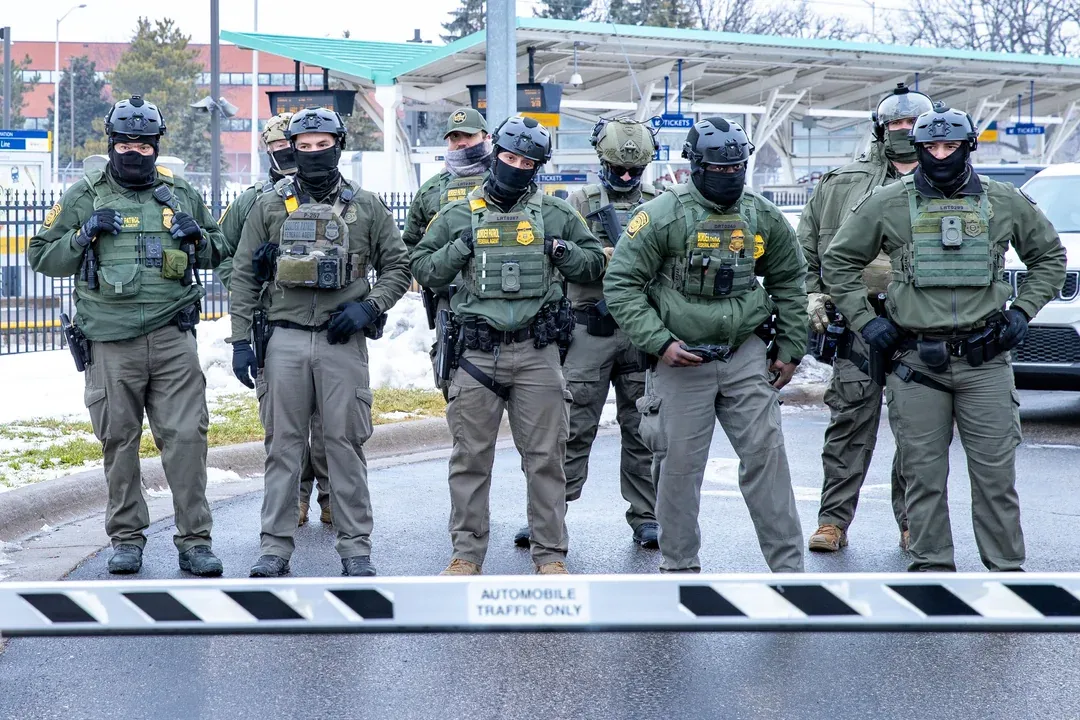
I thought of the Deluge when hearing about the killing of Renee Nicole Good in Minneapolis this week. Her death at the hands of an ICE agent has proved to be something of a Rorschach test for American society. Some conclude that this was the brutal murder of a woman, while others claim it was the justified use of lethal force. This latter group includes President Trump, Vice President Vance, and Secretary of Homeland Security Kristi Noem, who ask us to reject the evidence of our eyes and ears. Because when it comes to the eyewitness accounts and videos of the incident, what appears to have happened is that Good was trying to comply with conflicting instructions in a confrontation that was poorly managed by ICE. This ended with one agent firing three times at close range into her vehicle. No ICE agent was harmed or seems to have been at immediate risk. After calling for 911 the shooter left the scene. The remaining ICE agents did not allow a passing medical doctor to approach Good. She remained in the vehicle for a quarter of an hour until medical first responders arrived. She was pronounced dead after being admitted to Hennepin County Medical Center with multiple gunshot wounds to the head.
Good was not the first person to be shot by ICE. Nor the last. The following day two people were shot in a car stop by ICE in Portland. The Trace has identified 16 incidents in which immigration agents shot someone. Four of these were killed, seven injured. In some respects, this should not be news. For the past 12 years, US police forces have killed at least 1000 people a year. The 12 months of 2025 saw 1375 records deaths at the hands of law enforcement. Much of the interest generated by Good’s killing was, perhaps, the result of her being a 37 year old white woman, the mother of young girl. Reporters becoming emotional when discussing the case say that she could have been their daughter or sister. ICE killed one of us. That it risks becoming platitudinous does not make Martin Niemöller’s prose any less vital at this time.
First they came for the Communists
And I did not speak out
Because I was not a Communist
Then they came for the Socialists
And I did not speak out
Because I was not a Socialist
Then they came for the trade unionists
And I did not speak out
Because I was not a trade unionist
Then they came for the Jews
And I did not speak out
Because I was not a Jew
Then they came for me
And there was no one left
To speak out for me
Niemöller was capturing the progressive erosion of German society under the Nazis. The Deluge explores societal breakdown as a result of dangerous climate change. It’s a 900 page exposition of the idea that we while we should be frightened about climate change impacts, we should fear just as much what people will do to each other as a result of climate change. One of its themes is the empowering of white extremists and fascists who seize the opportunity to impose their will on the rest of American society, be that by existing systems of governance or militia violence. Today’s imposition of a federal terror on US cities is not the result of some climate calamity. But it’s an example of the sort of response an increasingly climate-stressed nation already in the grips of a gun violence epidemic could take.
Last year I was at a workshop that, amongst other things, discussed climate-related social impacts and potential breakdown. During this, one of the attendees speculated that given the extra judicial killings of people in boats off the coast of Venezuela by the US military, and increasingly violent actions of ICE and other federal agencies, we may at some point in the future see masked death squads roaming the streets of US cities. Since then US armed forces have kidnapped the Venezuelan President and his wife, with Trump and others in his administration making it clear that they will be running Venezuela in order to facilitate US companies’ extraction of the country’s vast oil reserves. And now groups of masked, unidentified men (almost always men) in unmarked cars, are detaining, shooting, and killing US citizens.
I do not believe people are inherently evil, or need either the fear of a judgemental god, or a legal system to keep their behaviour in check. Indeed, people are remarkably altruistic – particularly during periods of acute need such as a disaster. Our societies will need to become more resilient to climate disruption in the future. This does not just mean building bigger sea walls, (something that is often counterproductive), but stronger support for the ties that keep us together. In a time of climate breakdown, compassion is more important than concrete.
This is why, beyond the tragedy of a six year old girl’s mother being killed by government agents that are supposed to keep her safe, the actions of ICE are so dangerous. They steadily chip away at notions of decency and justice, normalise state brutality, and erode the very things that not only maintain our societies, but keep us human.