Here comes the flood
Arguing for climate change adaptation doesn't make you a doomer

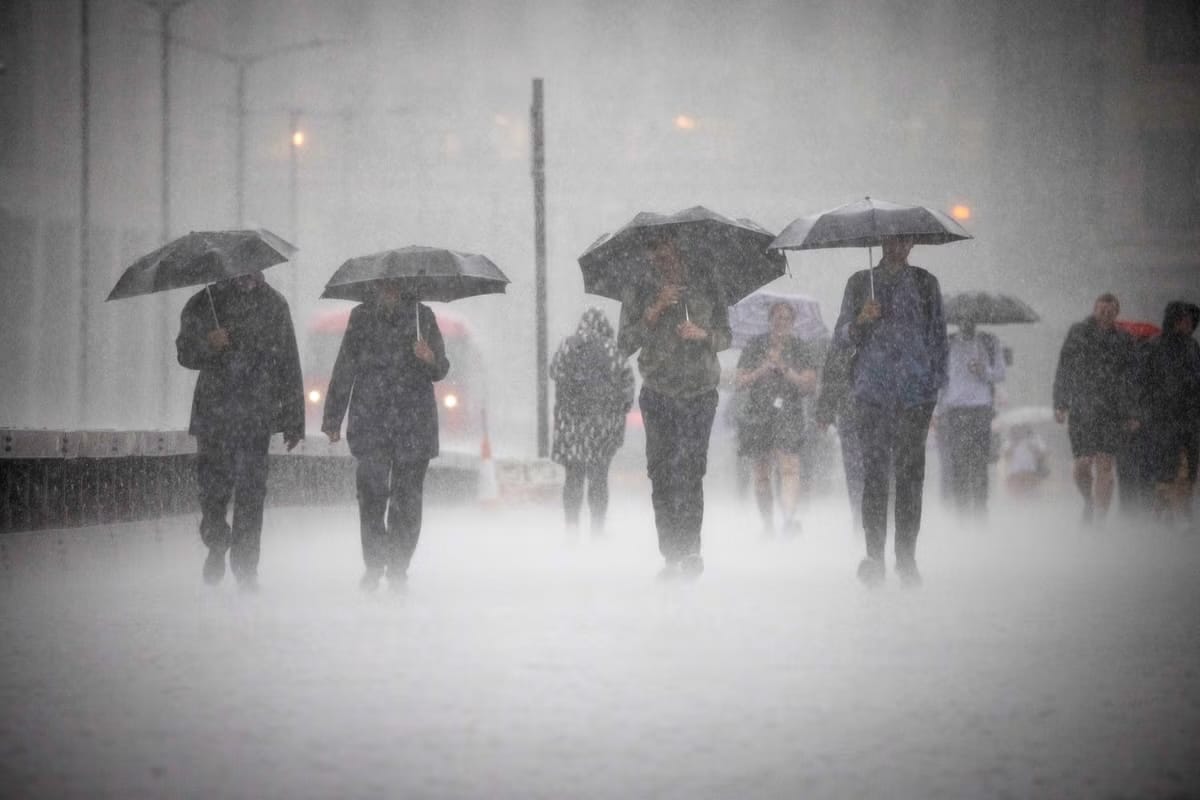
On 31st December 2025 rain began to fall on the small village of Cardinham. Being in the county of Cornwall, which is the first landmass that mild wet air encounters on its journey across the Atlantic, this was entirely unremarkable. A bit of precipitation wasn’t going to impede anyone's New Year’s Celebrations. But the weather of 2026 has begun to seriously dampen the spirits of the residents of Cardinham because it has rained every single day since.
I live in Exeter, further east along the coast in the County of Devon. Here it has rained every day for the past 40 days. Rainfall records have been broken regularly across the region. Multiple named storms have produced multiple floods with disruption to road and rail transport. I love living in the south west. The rivers, canals, coast, moors, forests, tors. If you have any interest in being in the natural world then you will be very happy here. The flip side is that it can get very busy in the summer because many others want to join in the fun. Right now that would be a nice problem to have. Yes, you can still go hiking when it’s cold and wet. But not seeing the sun for weeks on end, having to scurry about trying to stay dry during a squall. After a while it gets you down.
The problem is the jet stream - that ribbon of very fast air the circles around the top of the atmosphere. Fun fact, the jet stream was discovered by World War II US Air Force bomber crews who when flying on missions to Japan discovered that while their air speed indicators registered over two hundred miles an hour, their radar and other navigational aids showed them moving backwards. The jet stream plays a vital role in local weather because it exerts such a strong influence on how pressure systems travel. The issue Cornwall, Devon and the rest of the UK is facing, is that the jet stream has moved much further south than usual and is constantly dragging in low pressure systems. Hence the biblical rains. Climate change is playing a part in this. Warmer air is able to hold more water vapour, and the persistent areas of high and low pressure are the sorts of outcomes that a much warmer climate can produce.
For most people in the UK, the rain and flooding they have experience has been inconvenient, having stopped them from getting to work or school. For some it’s much more serious. It takes months to recover after a home is flooded. Many small UK farms have only have a couple of months of cash on hand, and so any major disruption to their ability to generate income because of flooding would mean being underwater both literally and financially. Further south in Europe the floods have been driven by lethal storms. Europe is the fastest warming continent and it’s this rapid change which is driving increasingly unhinged weather. Once in a hundred years storms are becoming the norm. Add torrential rains to periods of intense heat, increasing wildfire risks, and accelerating glacier retreat and you can see how climate change beyond 1.5°C doesn’t mean a few percentage points being shaved off GDP but a serious threat to the stability of European food, water, and energy systems. Now think about the consequences of collapsing biodiversity along with forced displacement and increased migration, and a frightening picture of Europe’s future begins to resolve.
Much of the research I am doing right now is motivated by the need to better understand these possible futures and think systemically about how we can prepare in ways that will make us more resilient. We need to have serious conversations about how we can both rapidly decarbonise, and adapt to climate change. Unfortunately, almost all political parties continue to duck the issue, instead hiding behind net zero platitudes. I don’t dispute European nations have tremendous economic, social, and geopolitical challenges. My simple argument is how on earth do you think you are going to manage any of them with a climate increasingly breaking down?
This isn't some issue that can be put on the back burner. Dangerous climate change is here and affecting us now. Given record-breaking emissions and increasing evidence that the rate of warming has accelerated over the past decade, things are going to get a lot worse. Asking politicians and industry leaders to seriously engage with such realities shouldn't label you as a doomer.